Contact:

+5999 6608994

+5999 6608994



solar@lure-energy.com

5298894/5235449

www.lure-energy.com

6608994



FAQ
FAQ
Frequently Asked Questions
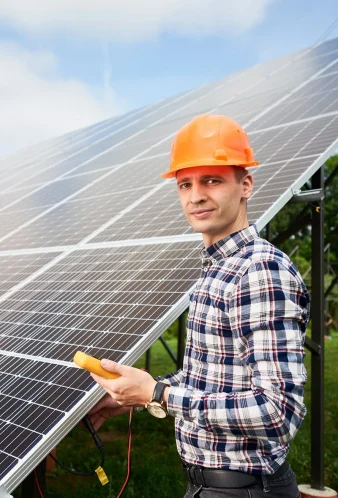
Got questions? We’ve got answers about our solar and generator solutions.
Solar
What’s the difference between On-Grid and Hybrid systems?
On-grid systems connect directly to the utility grid and do not work during blackouts.
Hybrid systems include battery storage, allowing you to use solar energy even when the grid is down, giving you greater independence.
Can I sell excess solar energy back to the grid?
Yes, both on-grid and hybrid systems can send excess electricity back to the grid, helping reduce your monthly bill.
How fast will I earn back my investment?
It depends on the system type:
On-grid: approximately 1.5 years
Hybrid: between 4 to 6.6 years, depending on system size and brand
What are the available system sizes?
Packages range from:
275 KWH to 1200 KWH monthly output
With configurations of 4 to 18 solar panels
Multiple inverter and battery sizes to fit your energy needs
Are financing options available?
Yes. You can finance your system through K-PAY, with monthly payments available at Kooyman.
What’s included in the price?
All packages include:
- Solar panels
- Inverters
- Batteries (for hybrid systems)
- Wi-Fi monitoring modules
- Full installation and materials
How long is the warranty?
- Solar panels: 12 years
- Lithium batteries: 7 years
- Inverters: 5 years
Generators
What types of generators do you offer?
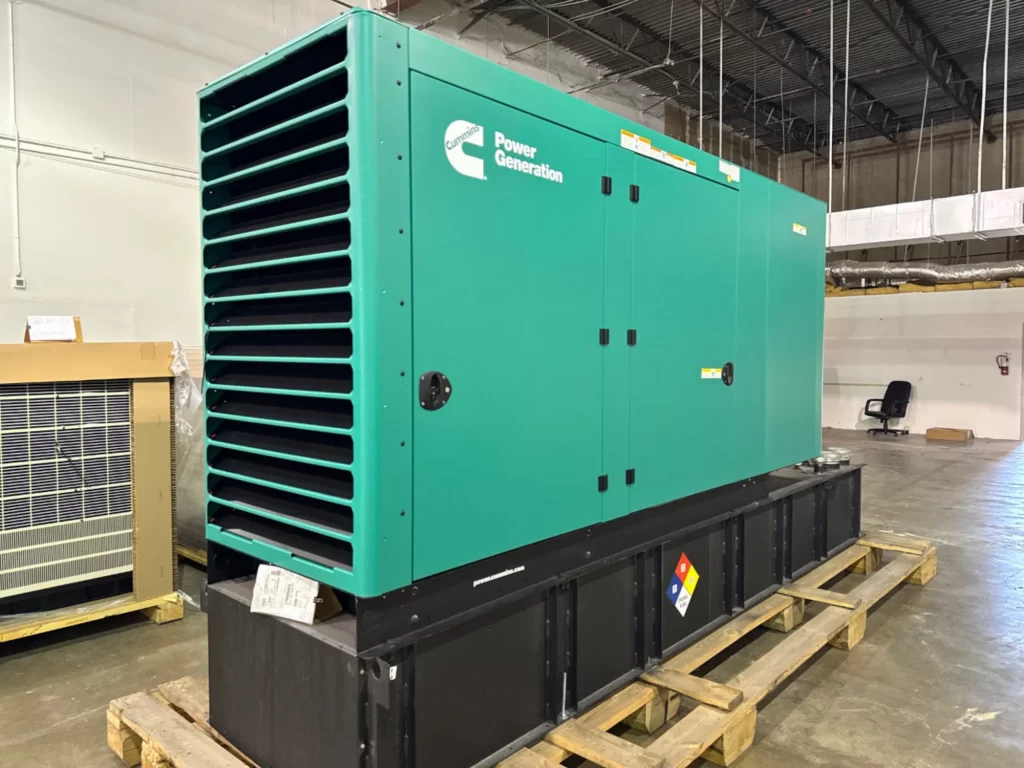
We provide a full range—from light commercial generators to large-scale industrial gensets. Systems are customized based on your energy needs.
Can I rent or lease a generator?
Yes, we offer rental and leasing options for both short- and long-term use—ideal for temporary projects, events, or emergency coverage.
Do you provide installation and customization?
Absolutely. We handle full installation and tailor each system with custom enclosures, fuel integration, and site-specific setup.
Is maintenance available?
Yes. We offer ongoing maintenance plans, including regular servicing, remote monitoring, and priority support for maximum reliability.
What brands do you work with?
We partner with trusted global brands known for durability and performance in Curaçao’s conditions.
Do your generators support hybrid solar systems?
Yes. Our team can integrate your generator with existing solar or hybrid energy systems for seamless backup power.
What kind of support can I expect?
Our support includes 24/7 emergency hotline access, guaranteed response times, and real-time system monitoring to minimize downtime.
FAQ
Frequently Asked Questions
Got questions? We’ve got answers about our solar and generator solutions.
1. GRID-CONNECTED SYSTEMS
What is a grid-connected solar system?
A system that is connected to the electricity grid (Aqualectra) and directly supplies power to your home or business. Surplus electricity can be fed back through net metering.
What happens if I produce more electricity than I consume?
The excess is fed back to Aqualectra. This is offset on your energy bill.
What is net metering and how does it work in Curaçao?
Net metering means that the electricity fed back is offset against the electricity consumed. You only pay for the net consumption.
Does Aqualectra have restrictions for net metering?
Does Aqualectra have restrictions for net metering?
Yes. You are usually not allowed to generate more than your average annual consumption.
What happens during an Aqualectra power outage?
The system automatically shuts down (anti-islanding). You will not have power unless you have a hybrid or off-grid system with batteries.
Do I need a permit?
Yes, for both residential and commercial installations.
Is a digital meter mandatory?
Yes. Aqualectra provides the digital smart meter required for feeding back and consumption.
Can I start small and expand later?
How quickly can I earn back a grid-connected system in Curaçao?
On average within 4 to 7 years, depending on system size and consumption.
2. HYBRID SYSTEMS
What is a hybrid solar energy system?
A system that runs on both the grid and batteries, and automatically switches between solar power, battery, and grid.
When is a hybrid system useful in Curaçao?
If you want backup power during outages and wish to reduce dependence on Aqualectra.
Can I be completely independent?
Not always, but technically yes. As soon as you need more energy than you generate, the rest comes from the grid.
Can I prioritize battery usage?
Yes, through the settings of the hybrid inverter.
Does the battery only charge via solar panels?
It can, but it’s not required. You can also charge from the grid as a backup.
How much extra does a hybrid system cost?
Expect 30–60% higher initial costs compared to a grid-connected system (depending on battery capacity).
What happens if the battery is full and I keep producing?
The excess electricity goes to the grid (with active net metering), or production is limited.
Do I need a special inverter?
Yes, a hybrid inverter that can distribute electricity between usage, storage, and the grid.
What about maintenance?
Batteries require extra monitoring (temperature, capacity), partly remote and once per year on-site.
Which battery types are suitable?
Lithium-ion (LiFePO4): durable, low maintenance (most commonly used).
Lead-acid (AGM/Gel): cheaper, but shorter lifespan and higher maintenance.
3. OFF-GRID SYSTEMS
What is an off-grid solar energy system?
A system that operates completely independently from the electricity grid. All energy comes from solar panels and batteries.
When should you choose off-grid in Curaçao?
In remote areas without grid connection
For full autonomy
As backup for critical infrastructure
Do I have power at night or on cloudy days?
Yes, as long as the batteries are sufficiently charged. A generator is often recommended as backup.
What if my batteries are empty?
Then you temporarily have no power, unless you have a generator.
Can any home be made off-grid?
Technically yes, but you must account for consumption, storage, and solar irradiation.
How much does an off-grid system cost in Curaçao?
More expensive than grid-connected. For an average household starting from ANG 40,000+.
How do I determine the system size?
Based on:
-
Daily consumption (kWh)
-
Desired autonomy (number of days without sun)
-
Battery capacity
Tip: Install a PEL data logger for 1 week to calculate a suitable system.
Which components are included in an off-grid system?
Solar panels
Charge controller
Batteries
Off-grid inverter
(Optional) Generator
Are there subsidies or tax benefits?
Yes: import tax for solar systems is 0%.
Is maintenance more important for off-grid?
Yes. Regular checks of the batteries, inverter, and charge status are essential.
Solar Systems Comparison
Feature
Connected to grid?
Battery storage
Backup during outages?
Net metering possible?
Investment
Independence
Grid-Connected
(optional)
Hybrid
partial
Off-Grid
full
← swipe →
More information?
Do you have a question about one of our products? Or would you like advice for your installation project? We’d like to see what we can do for you.